Control Signs: Stop, Yield, No Entry and One-Way
15 official control signs, each with the meaning the manual gives it
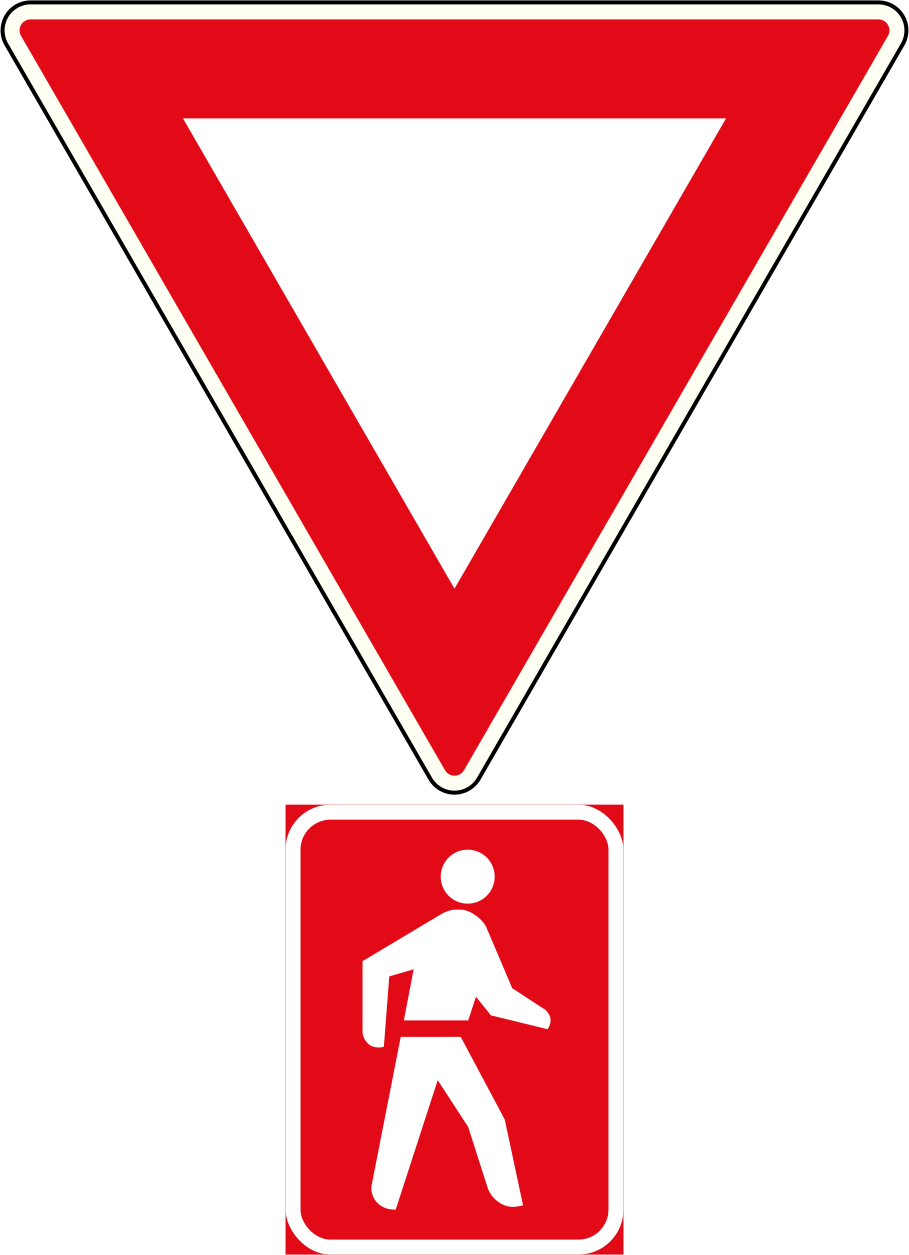
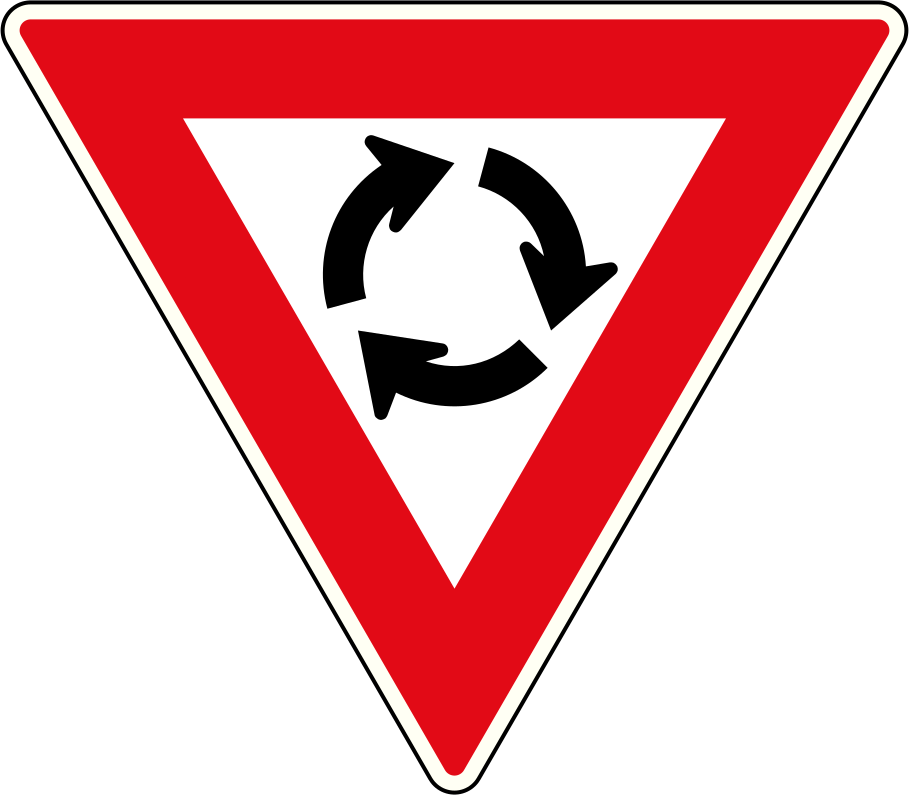
Control signs are the small group of regulatory signs that assign right of way. They are the only signs with their own shapes — the octagon and the inverted triangle — so that a driver can identify them even when the face is dirty, snow-covered or turned away. Every one of them is compulsory: disobeying a control sign is an offence under the National Road Traffic Act.
All 15 control signs in the manual
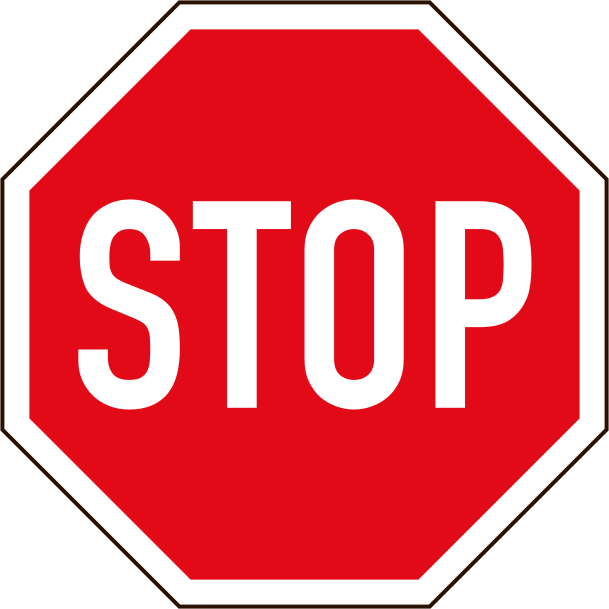
What the stop sign means
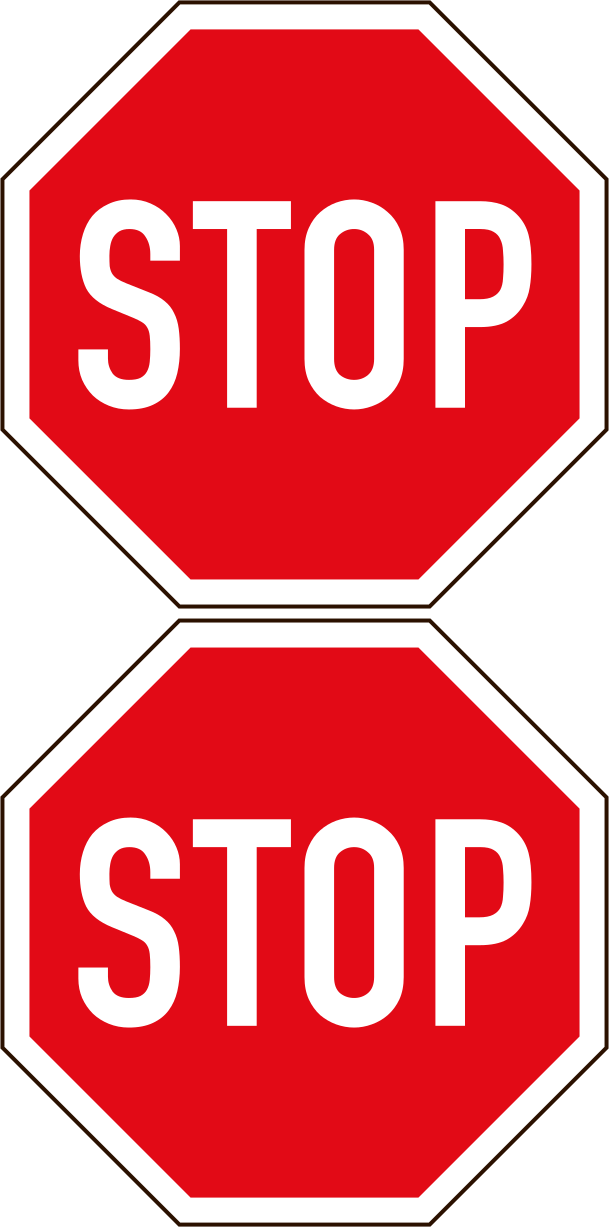
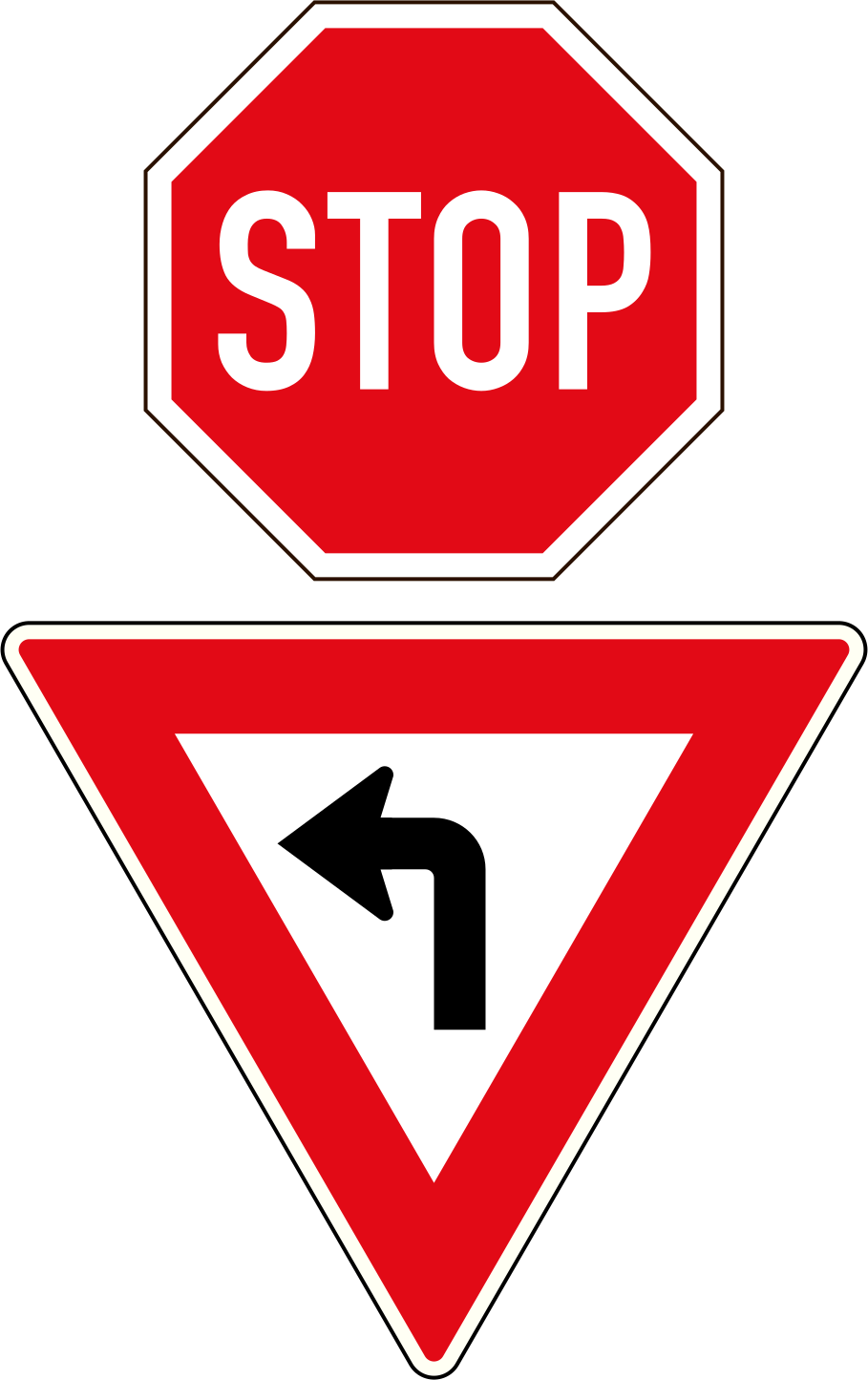
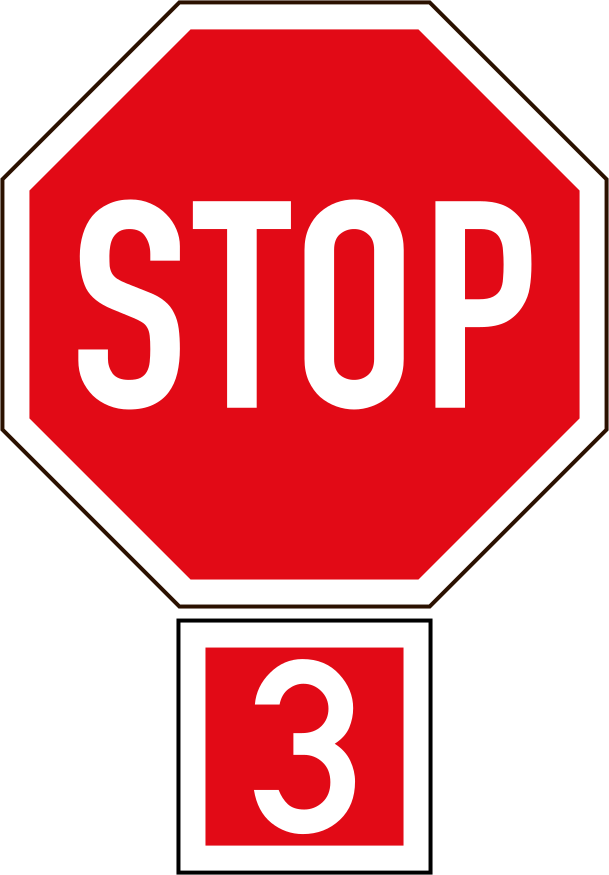
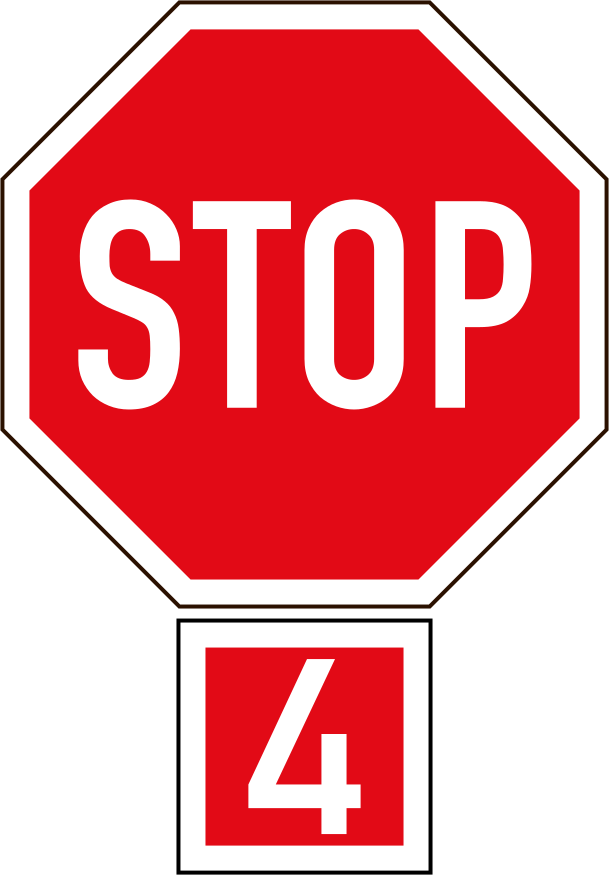
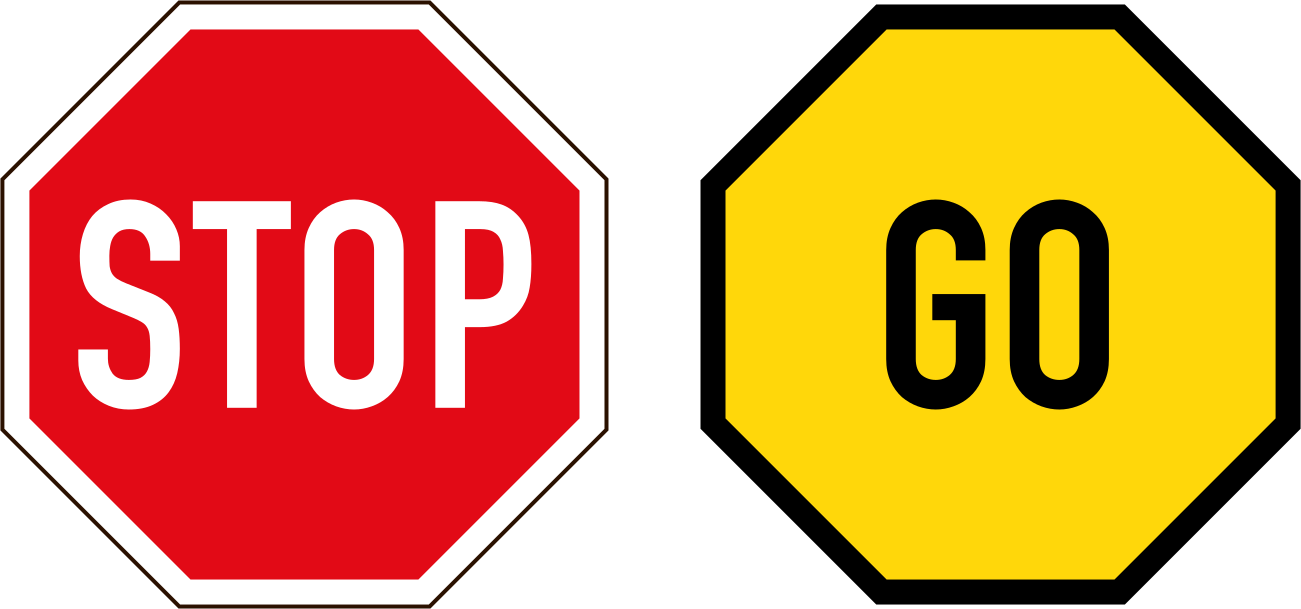
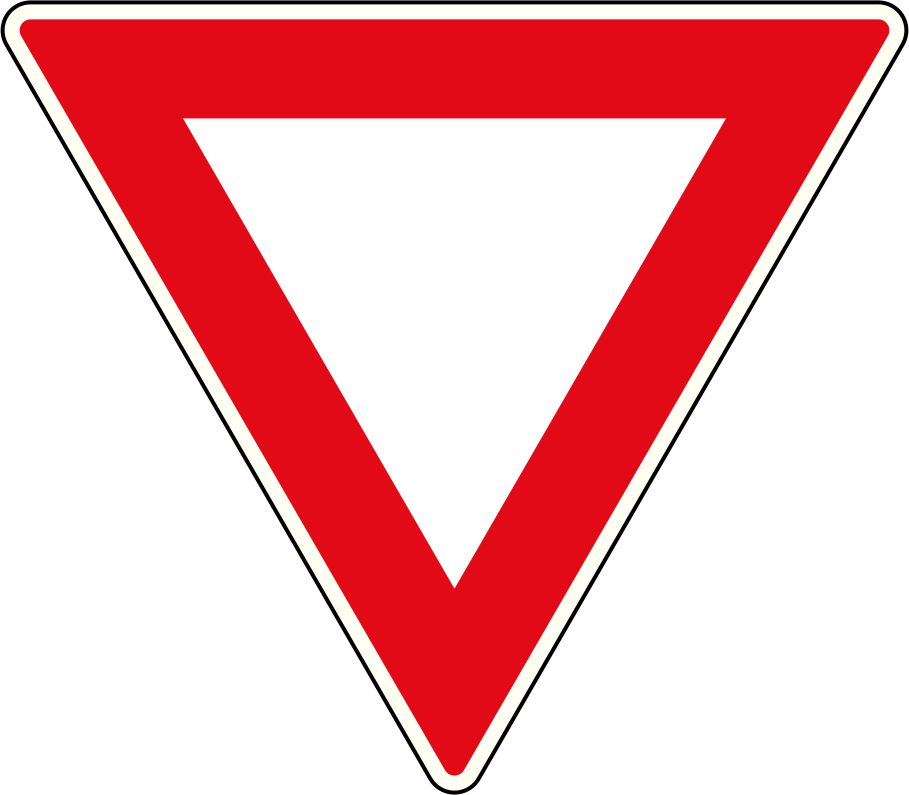
What the yield sign means
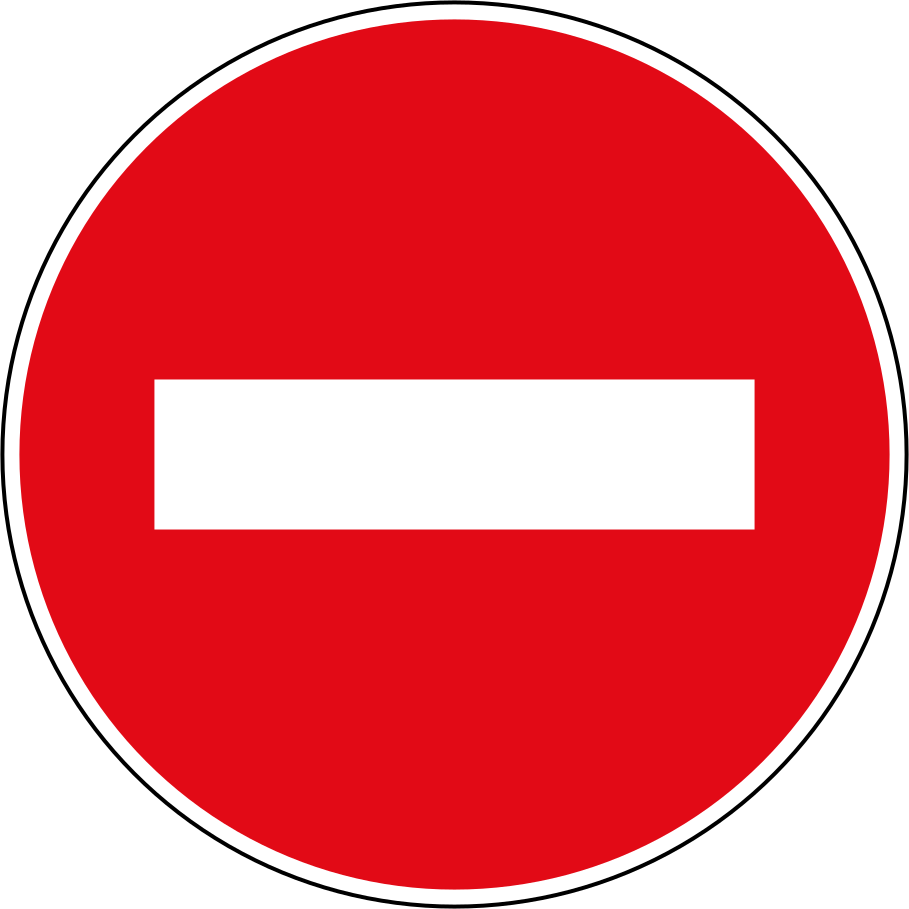
What the no entry sign means
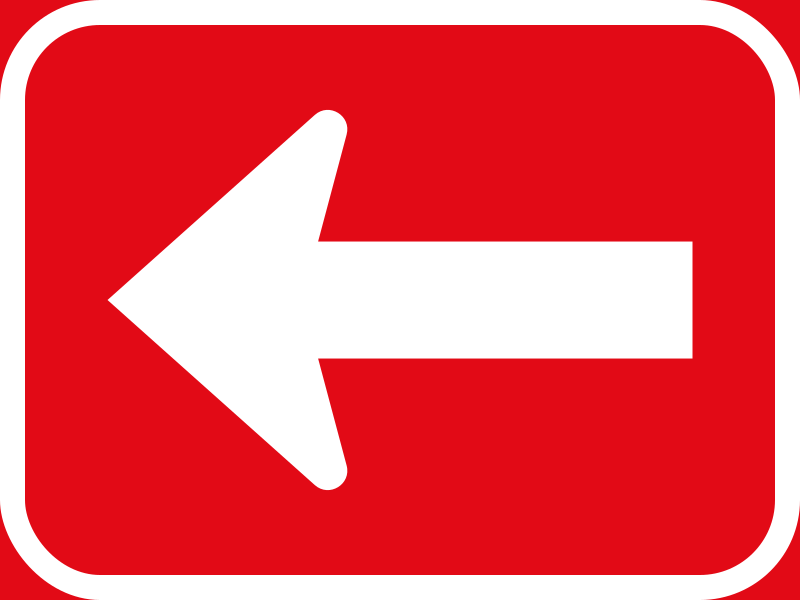
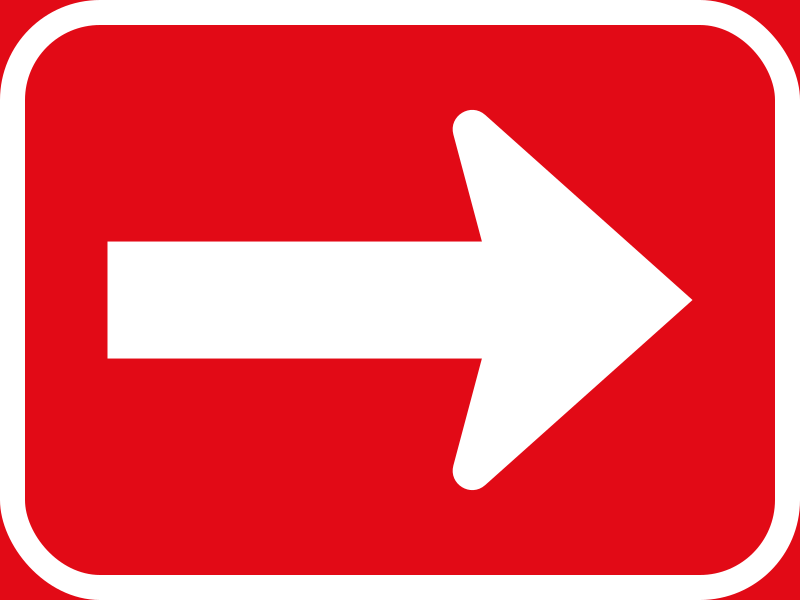
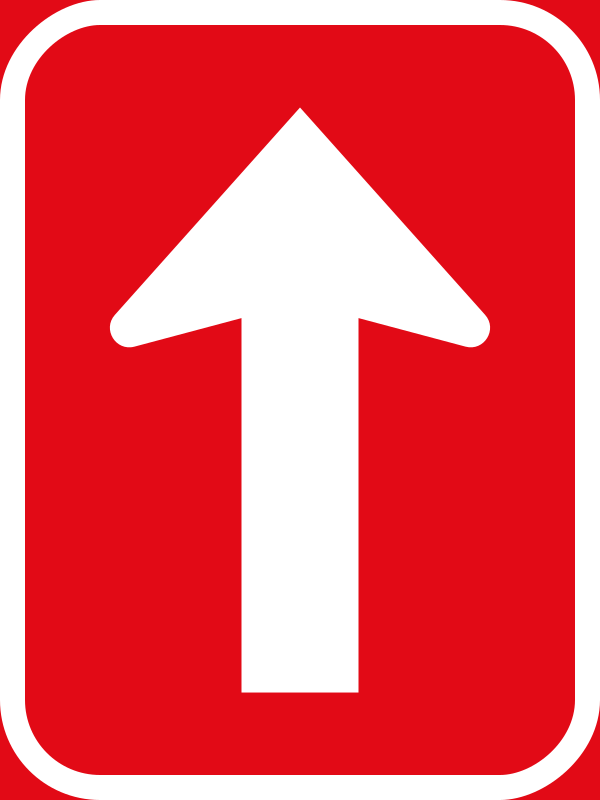
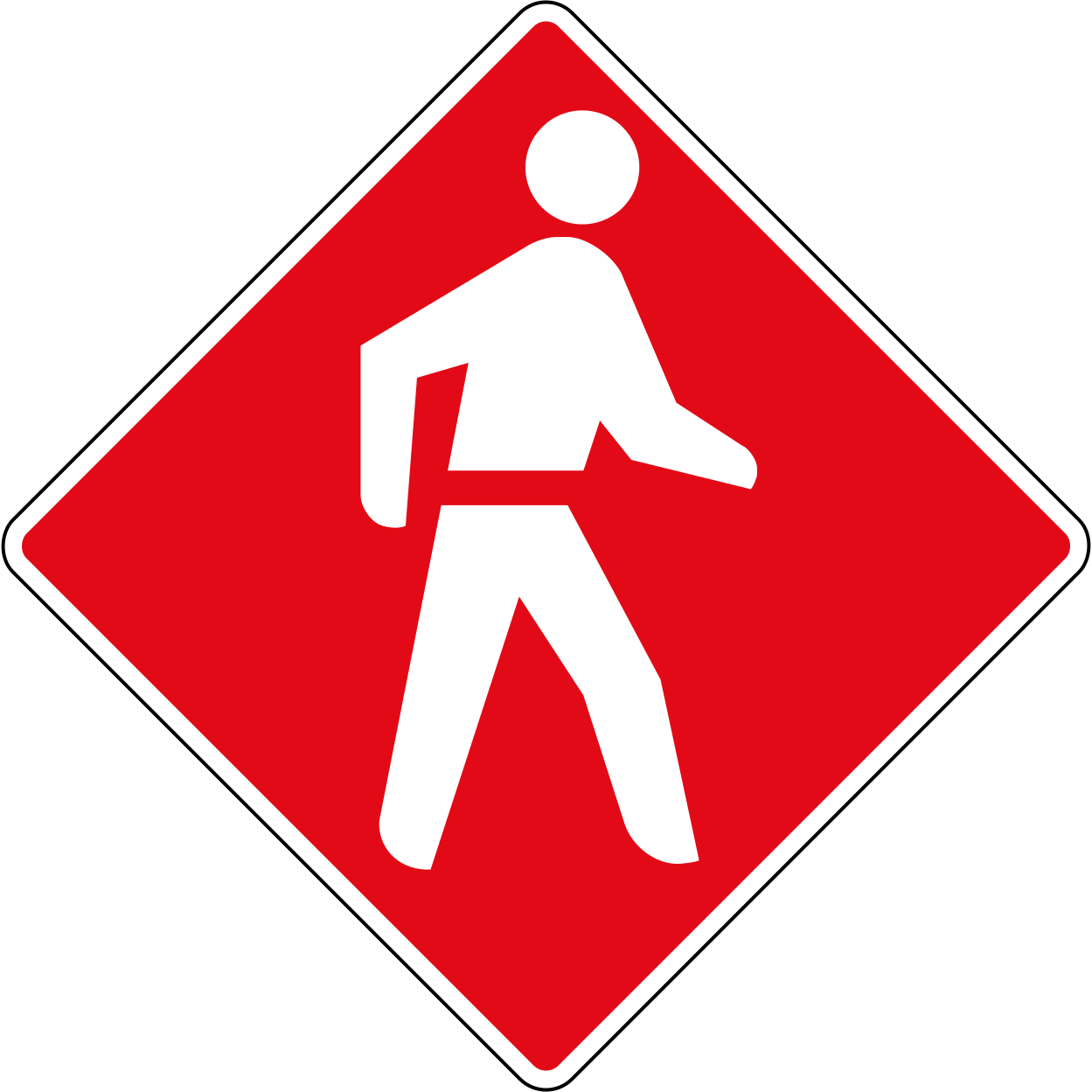
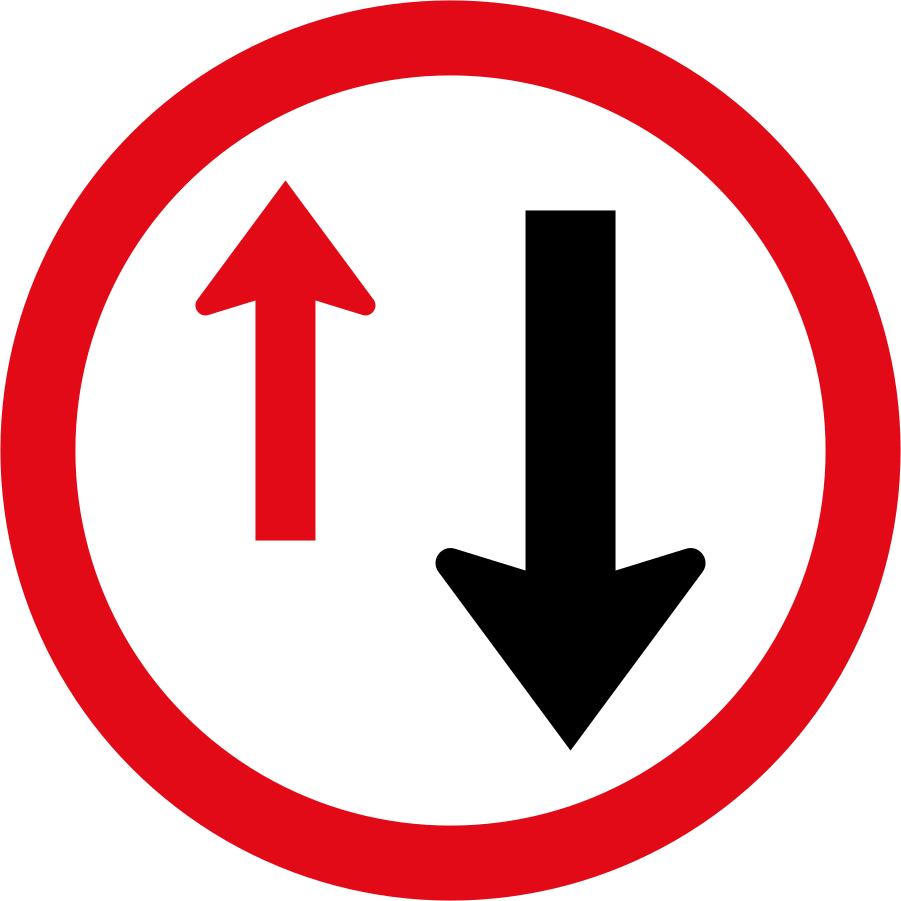
Sign faces on this page are the official diagrams from the South African Road Traffic Signs Manual (SARTSM), which implements the SADC Road Traffic Signs Manual. Codes are the manual’s own. K53 Academia is an independent study resource and is not endorsed by the Road Traffic Management Corporation.
Each of these signs explained on its own page
- The Stop Sign: What It Means and What You Must DoThe stop sign R1 and its five variants, with the rule the learner's licence test asks about
- The No Entry Sign: A Red Circle With a White BarThe no entry sign R3 and the one-way roadway sign it works with
- The Yield Sign: What Yield Means and When You Must StopThe yield sign R2 and its variants, with the rule the learner's licence test asks about
Where this fits in the test
The road signs section of the learner’s licence test is 28 questions and you must get 23 of them right. Signs are asked by face, not by code — you are shown the sign and asked what it means, so learn the shape and colour rule first and the individual faces second.
All road signs · Practice questions with answers · Road markings